Fire Damage Restoration Tips: Effective Fire and Smoke Damage Restoration Techniques
- Rafal Gluza
- 3 days ago
- 4 min read

Experiencing fire damage in your property can be overwhelming. The aftermath often leaves you with a mix of destruction, smoke residue, and lingering odours. Knowing how to approach fire damage restoration can make a significant difference in recovering your home or business efficiently. In this post, I will guide you through practical fire damage restoration tips and techniques that help you regain control and restore your property safely.
Understanding Fire Damage Restoration Tips
When fire strikes, the damage is not limited to what you see. Fire damage restoration involves addressing both visible destruction and hidden issues caused by smoke and heat. Here are some essential tips to keep in mind:
Act quickly: The sooner you start the restoration process, the better. Delays can lead to further damage, such as mould growth or corrosion.
Ensure safety first: Before entering the property, make sure it is safe. Structural damage or hazardous materials may pose risks.
Document everything: Take photos and notes for insurance claims. This documentation will support your case and speed up the process.
Ventilate the area: Open windows and doors to clear out smoke and reduce odours.
Separate salvageable items: Identify what can be cleaned and restored versus what needs disposal.
These steps form the foundation of effective fire damage restoration. They help you stay organised and focused during a stressful time.
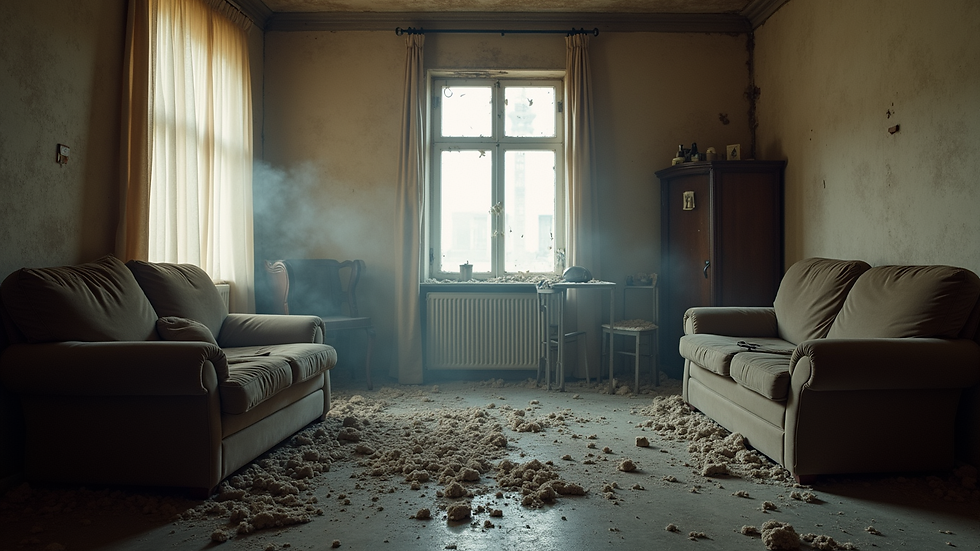
Key Fire Damage Restoration Techniques
Restoring a property after fire damage requires a combination of cleaning, repairing, and deodorising. Here are some techniques that professionals use and you can apply with care:
1. Cleaning Smoke Residue
Smoke leaves behind oily residues that attract dirt and cause staining. Use dry cleaning sponges or chemical sponges designed for smoke damage to wipe surfaces gently. Avoid water at this stage, as it can spread the residue.
2. Removing Soot
Soot particles are fine and can penetrate porous materials. Vacuum with a HEPA filter to remove loose soot before wiping surfaces with mild detergents. For fabrics and upholstery, professional cleaning is often necessary.
3. Deodorising
Smoke odour can linger long after visible damage is gone. Use activated charcoal, baking soda, or commercial odour neutralisers to absorb smells. Ozone generators or thermal fogging are advanced methods that professionals use to eliminate odours deeply embedded in materials.
4. Repairing Structural Damage
Fire can weaken walls, ceilings, and floors. Inspect for cracks, warping, or charring. Replace damaged drywall, reinforce beams, and repaint surfaces after thorough cleaning.
5. Restoring Electrical Systems
Fire and smoke can damage wiring and fixtures. Have a qualified electrician inspect and repair electrical components to ensure safety.
By following these techniques, you can restore your property to a safe and comfortable state.
What does ServPro do for smoke damage?
When dealing with smoke damage, professional help can make a big difference. ServPro, a well-known restoration company, uses specialised equipment and trained technicians to handle smoke damage effectively. Their process typically includes:
Inspection and assessment: Identifying the extent of smoke damage and affected areas.
Containment: Preventing smoke particles from spreading to unaffected parts of the property.
Cleaning and removal: Using industrial-grade cleaning agents and tools to remove soot and smoke residues.
Deodorisation: Applying advanced odour removal techniques to eliminate smoke smells.
Restoration: Repairing or replacing damaged materials to restore the property’s original condition.
While you may not use ServPro specifically, understanding their approach highlights the importance of thorough and professional restoration methods.

Practical Steps to Manage Fire and Smoke Damage Restoration
If you are managing fire damage restoration yourself or overseeing a professional team, these practical steps will help you stay organised and effective:
Safety assessment: Confirm the property is safe to enter. Wear protective gear such as gloves, masks, and goggles.
Initial ventilation: Open windows and use fans to circulate fresh air.
Remove debris: Clear out burnt materials and damaged furniture.
Dry cleaning: Use dry sponges to clean walls and ceilings.
Wet cleaning: After dry cleaning, wash surfaces with mild detergent solutions.
Soot removal: Vacuum and wipe soot from floors and upholstery.
Odour control: Place odour absorbers and consider professional deodorising if needed.
Repairs and repainting: Fix structural damage and repaint surfaces.
Electrical inspection: Have an electrician check wiring and fixtures.
10. Final inspection: Ensure all damage is addressed and the property is safe and clean.
Following these steps methodically will help you restore your property efficiently and reduce stress during recovery.
Why Choose Professional Fire and Smoke Damage Restoration?
While some restoration tasks can be done independently, professional services offer several advantages:
Expertise: Professionals understand the complexities of fire and smoke damage.
Specialised equipment: They use tools like thermal foggers, ozone machines, and industrial vacuums.
Comprehensive service: From cleaning to repairs and insurance claims support.
Faster recovery: Experienced teams work quickly to minimise downtime.
Safety assurance: Proper handling of hazardous materials and structural issues.
If you want to ensure your property is restored thoroughly and safely, consider engaging a trusted restoration partner.
For London property owners, fire and smoke damage restoration services can be a lifeline after a disaster. They combine technical skill with local knowledge to help you get back on your feet.
Moving Forward After Fire Damage
Recovering from fire damage is a process that requires patience and careful planning. Remember to:
Keep detailed records of all restoration activities and expenses.
Communicate regularly with your insurance provider.
Take preventive measures to reduce future fire risks, such as installing smoke alarms and fire extinguishers.
Seek support if you feel overwhelmed by the situation.
Restoration is not just about fixing a building - it’s about rebuilding your sense of security and comfort.
By following these fire damage restoration tips and techniques, you can navigate the challenges of fire and smoke damage with confidence. Whether you choose to manage the process yourself or work with professionals, the key is to act promptly and methodically. Your property can be restored, and life can return to normal.


Comments